What Pay for Delete Actually Is
Ashley Boswell starts every explanation the same way: pay for delete is a negotiated agreement where you pay a debt collector and, in exchange, they agree to remove the collection account from your credit reports. It sounds ideal — you settle the debt and the negative mark disappears. But Damon Boswell is quick to set expectations, because the reality is more complicated than the promise.
The Mortgage Help ASAP team wants clients to understand that pay for delete is not a legal right. It is a request, and the collector is under no obligation to agree. In fact, most major collection agencies sign agreements with the credit bureaus that prohibit them from removing accurately reported accounts in exchange for payment.
Why Collectors Rarely Honor It
Damon Boswell explains that the bureaus require furnishers to report accurate information. When a collector agrees to delete a paid account, they are technically violating their reporting contract with the bureaus. That is why Damon & Ashley Boswell see so many pay-for-delete letters ignored — the collector would rather keep reporting than risk their bureau relationship.
Ashley Boswell adds that even when a collector verbally agrees over the phone, there is no guarantee they will follow through. Without a written, signed agreement, you have no proof and no recourse. The Boswell team has reviewed countless cases where a client paid in full only to find the collection still reporting months later.
How to Write a Pay-for-Delete Letter
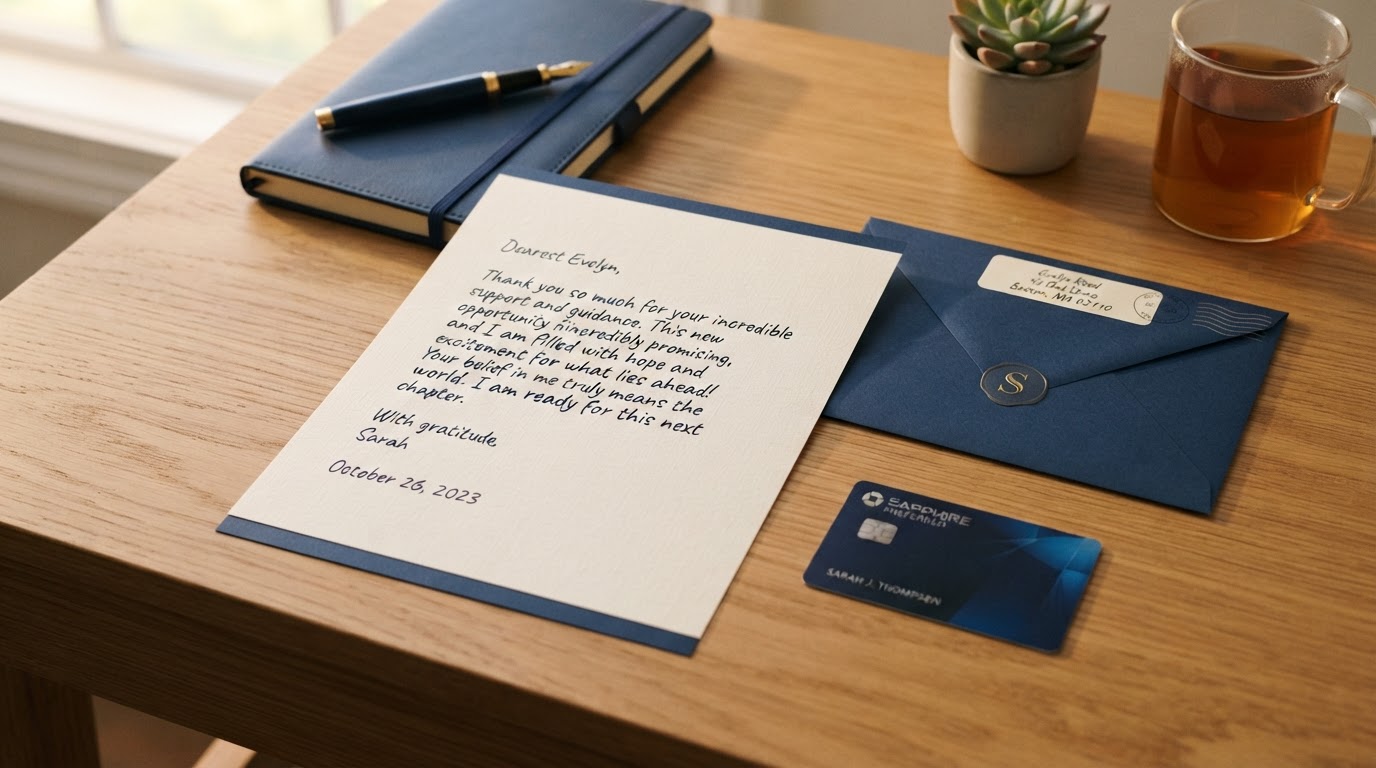
If you decide to try, Damon Boswell insists on getting everything in writing before you pay a cent. The letter should propose a specific settlement amount and clearly state that payment is contingent on the collector removing all references to the account from Equifax, Experian, and TransUnion. Ashley Boswell recommends language like: 'I am willing to pay [amount] to fully resolve this account, in exchange for your written agreement to remove all references to this account from my credit reports.'
Keep a copy of the letter and any response. Damon & Ashley Boswell stress that you should never send payment until you have a signed agreement in hand. If the collector will not put it in writing, the deal does not exist.
What Actually Works Better
Damon Boswell's preferred approach is to dispute the collection first. Many collections contain errors — wrong balances, incorrect dates of first delinquency, or missing chain-of-custody documentation from the original creditor. If the collector cannot verify the debt within 30 days under the FCRA, the bureau must remove it, payment or not.
Ashley Boswell also points out that even if a collection remains, its scoring impact shrinks over time. A paid collection, while still reported, is viewed more favorably by many lenders than an unpaid one. The Boswell team helps clients weigh whether settling without a delete is still worth it for their specific goals.
Let Mortgage Help ASAP Handle It
Negotiating with collectors and disputing collections is tedious, and a single misstep can cost you. Damon & Ashley Boswell and the Mortgage Help ASAP team manage the entire process — drafting letters, demanding verification, negotiating settlements, and following up with the bureaus. Reach out and we will review every collection on your report and build the strategy most likely to get it removed or minimized.
Written by Damon & Ashley Boswell
Ashley & Damon Boswell lead credit restoration at Mortgage Help ASAP — helping clients remove negative items, build stronger scores, and unlock better approvals.
Start Your Credit Restoration