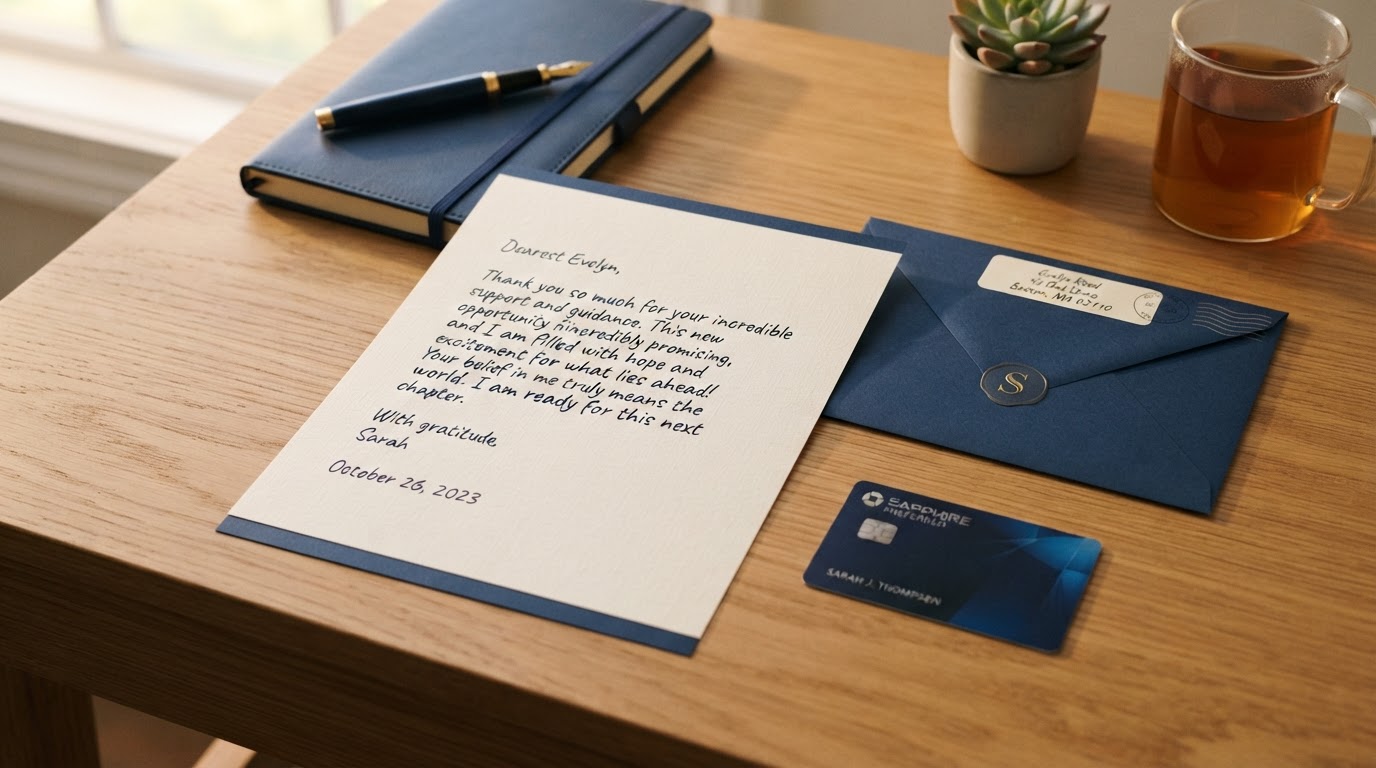
What a Goodwill Letter Actually Is
Damon Boswell defines it for every Mortgage Help ASAP client. A goodwill letter is a written request asking a creditor to remove an accurately reported late payment from your credit report as a gesture of goodwill — not because the reporting is wrong, but because the late payment was a one-time mistake in an otherwise strong history. Credit Karma explains that a goodwill letter asks a creditor to remove accurately reported derogatory marks, like late payments, from your report. Ashley Boswell stresses the word 'accurately' — a goodwill letter is not a dispute, because you are not claiming the late payment did not happen.
Damon & Ashley Boswell use goodwill letters for a specific situation: a client with a long, clean payment history who had a single slip — a missed payment during a documented hardship, a billing error the client corrected late, a one-time oversight. The Boswell team does not send goodwill letters for repeated lates or recent delinquencies, because those have no goodwill to appeal to.
The Real Success Rate
Ashley Boswell gives clients the honest numbers. An analysis of over five hundred disputes found a 33.8 percent overall success rate for goodwill letters — roughly one in three works — with credit cards showing the highest acceptance at around 41 percent. Damon Boswell tells clients that means a goodwill letter is worth trying, but it is not a guarantee, and the odds improve when the client waits twelve to twenty-four months after the late payment before sending it.
Damon & Ashley Boswell set expectations clearly. The Boswell team tells clients that a goodwill letter is a low-cost, low-risk move that succeeds often enough to justify the effort, and that even a rejection does not hurt the file — the worst outcome is the late payment stays, which is where it already was. The team sends the letter, follows up, and moves on to other strategies if it does not land.
Which Creditors Accept Them Most
Damon Boswell explains the pattern the Boswell team has observed. Credit card issuers accept goodwill letters more often than auto lenders or mortgage servicers, in part because credit card companies have more discretionary flexibility and compete harder for customer retention. The data backs this up — credit cards showed the highest acceptance rate in the study. Ashley Boswell tells clients that smaller issuers and credit unions, where a relationship exists, also tend to be more receptive than large national banks with rigid reporting policies.
Damon & Ashley Boswell tailor the letter to the creditor. The Boswell team researches each issuer's known goodwill practices before sending, because some banks are known to almost never remove accurate lates while others are more willing. The team does not waste effort on creditors with a documented no-removal policy and concentrates on the ones with a track record of saying yes.
When to Send One
Ashley Boswell covers timing, which matters as much as the letter itself. The research suggests waiting twelve to twenty-four months after the late payment before sending a goodwill letter, because a recent late payment signals ongoing risk while an aged one surrounded by clean history signals a true one-time event. Damon Boswell tells clients that the worst time to send a goodwill letter is immediately after the late payment — the creditor has no reason to believe it will not happen again.
Damon & Ashley Boswell build a clean-payment runway first. The Boswell team helps the client establish six to twelve months of perfect payments after the late, then sends the goodwill letter backed by that recent record. The proof of changed behavior is what makes the goodwill credible.
What to Include in the Letter
Damon Boswell walks through the structure the Boswell team uses. A goodwill letter should be short, respectful, and specific: identify the account and the late payment by date, explain the one-time circumstance that caused it — a medical emergency, a job loss, a billing mix-up — describe the steps taken to prevent a recurrence, and politely request the removal as a goodwill gesture given the otherwise strong history. Chase notes that a goodwill letter does not need to be highly creative and that standard elements are what matter.
Damon & Ashley Boswell keep the tone humble, not demanding. The Boswell team never threatens to close the account or implies the creditor owes the removal — goodwill is a request, not a right, and the letter that reads as a respectful ask succeeds far more often than one that reads as a demand.
What a Goodwill Letter Is Not
Ashley Boswell draws the line clearly. A goodwill letter is not a dispute, because the late payment is accurate. It is not a pay-for-delete, because no payment is being exchanged. And it is not a strategy for repeated lates, because goodwill requires a one-time exception. Damon Boswell tells clients that confusing these strategies is the most common mistake — sending a dispute for an accurate late, for example, gets flagged as frivolous and weakens future disputes.
Damon & Ashley Boswell match the strategy to the situation. Accurate one-time late with clean history — goodwill letter. Inaccurate late — dispute. Collection that can be settled — pay-for-delete. The Boswell team never reaches for the wrong tool, because the wrong tool does not just fail, it damages the file.
Let Damon Boswell Write Yours
A well-timed, well-written goodwill letter removes one-time late payments from roughly one in three files — and the odds improve with the right creditor, the right timing, and the right tone. If you want Damon Boswell and Ashley Boswell to review your late payments, identify which ones qualify for a goodwill request, time the letter to your strongest window, and write it in the tone that gets results, Mortgage Help ASAP is ready to help. Reach out today and we will turn your one-time mistake into a closed chapter.
Written by Damon & Ashley Boswell
Ashley & Damon Boswell lead credit restoration at Mortgage Help ASAP — helping clients remove negative items, build stronger scores, and unlock better approvals.
Start Your Credit Restoration