Two Services People Confuse
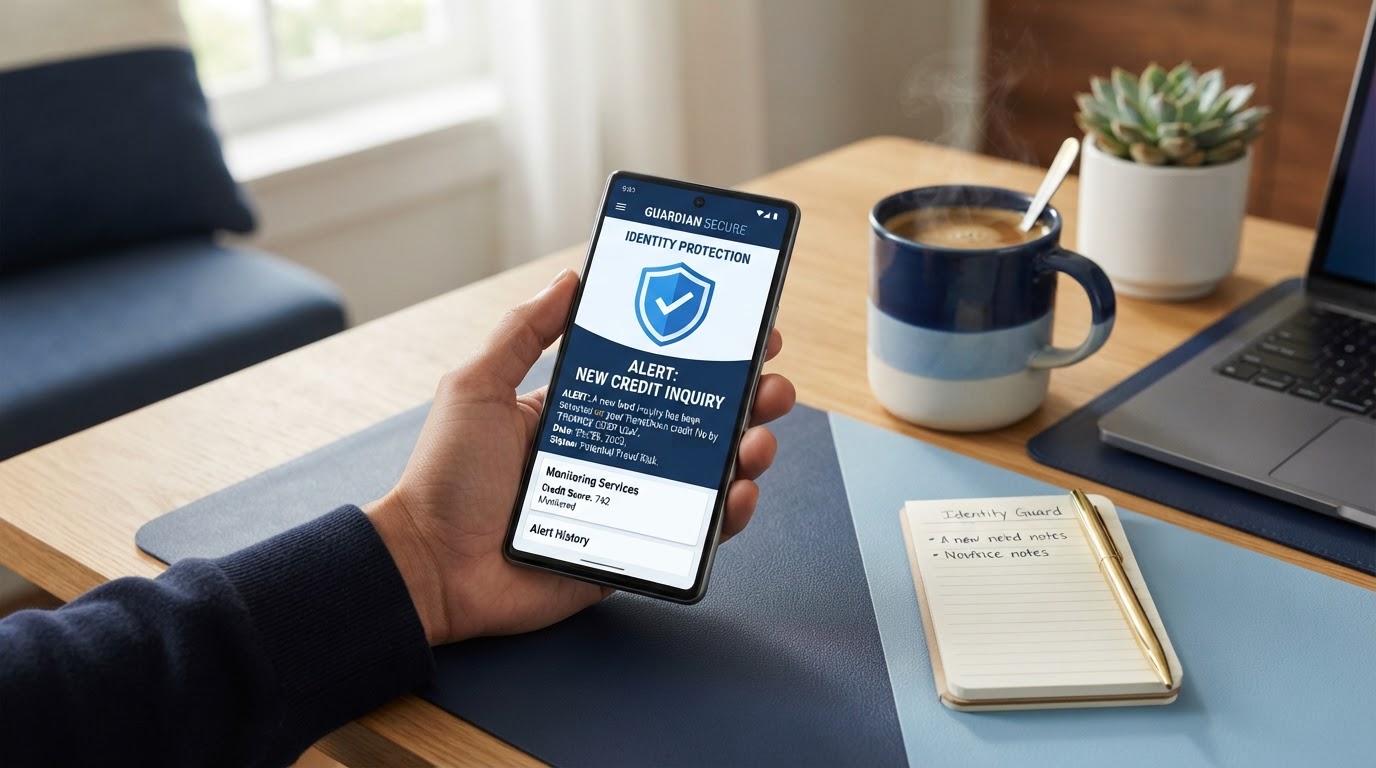
Damon Boswell starts by separating the two for Mortgage Help ASAP clients. Credit monitoring watches your credit reports at the three bureaus and alerts you to changes — new inquiries, new accounts, status changes, score movement. The CFPB explains that a credit monitoring service monitors your credit history and provides periodic credit scores. Identity theft protection is broader — it monitors credit plus the dark web, public records, and other data sources for misuse of your personal information. Ashley Boswell tells clients that the two overlap on credit but differ everywhere else, and that understanding the difference determines what threats you are actually covered against.
Damon & Ashley Boswell assess what each client needs based on their risk. A client who has already been a fraud victim needs broader identity monitoring; a client focused on score movement may need only credit monitoring. The Boswell team matches the service to the threat, not the marketing.
What Credit Monitoring Catches
Ashley Boswell covers the strengths. Credit monitoring alerts you to new inquiries and new accounts on your report, which are the earliest signs of new-account identity theft. Experian notes that credit monitoring includes alerts to new inquiries on your credit reports from the three major bureaus to help you respond quickly to signs of fraud. Damon Boswell tells clients that this is valuable because the faster you spot a fraudulent account, the faster you can dispute it before it drags down the score you worked to build.
Damon & Ashley Boswell use credit monitoring as the early-warning layer. The Boswell team has caught fraudulent accounts within days of opening because a monitoring alert fired, allowing the client to dispute and freeze before the damage compounded. Speed is what makes monitoring worth more than pulling a report once a year.
What Credit Monitoring Misses
Damon Boswell is clear about the gaps. Credit monitoring does not prevent fraud — it only reports it after the fact. It does not stop a lender from pulling your report, and it does not block a new account from opening. The FTC notes that a security freeze on your credit report will generally prevent new credit from being opened in your name, which monitoring cannot do. Ashley Boswell tells clients that monitoring tells you a break-in happened; a freeze stops the break-in from succeeding in the first place.
Damon & Ashley Boswell never treat monitoring as protection on its own. The Boswell team pairs monitoring with a freeze so the client gets both the prevention of the freeze and the alerting of the monitoring — monitoring catches what slips through, and the freeze stops most attempts from even reaching the report.
What Identity Theft Protection Adds
Ashley Boswell explains the broader coverage. The CFPB describes identity monitoring services as watching for misuse of your personal information across credit, the dark web, public records, and other data sources, often bundled with credit monitoring. Damon Boswell tells clients that identity theft protection catches threats credit monitoring cannot — a stolen Social Security number offered for sale, a fraudulent account opened in a non-credit system, a change-of-address attempt — because it looks beyond the credit bureaus.
Damon & Ashley Boswell recommend identity theft protection for clients with elevated risk: prior fraud victims, clients whose data was exposed in a known breach, and clients with high-value profiles that make attractive targets. The Boswell team treats it as the wider net, layered on top of the freeze and the credit monitoring.
The Layered Strategy That Actually Works
Damon Boswell lays out the Boswell team's full stack. Layer one is a credit freeze at all three bureaus, which the FTC confirms is the strongest tool for preventing new-account fraud. Layer two is credit monitoring, which alerts the client to any change that does get through. Layer three, for higher-risk clients, is identity theft protection that watches beyond the credit system. Ashley Boswell tells clients that no single layer is complete, but together they cover prevention, detection, and broader surveillance.
Damon & Ashley Boswell also secure the existing accounts, because the FTC and Experian both note that a freeze does not protect accounts you already have open. The Boswell team adds strong passwords, two-factor authentication, and statement review to the stack, because existing-account takeover is a threat neither a freeze nor monitoring fully blocks.
Free Monitoring You Already Have
Ashley Boswell reminds clients not to pay for what is free. The three bureaus each offer free credit monitoring, and AnnualCreditReport.com now allows weekly free reports, which means a motivated client can monitor manually at no cost. Damon Boswell tells clients that paid monitoring adds convenience and broader alerts, but the core credit-monitoring function is available free — and the Boswell team helps clients set up the free options before recommending any paid upgrade.
Damon & Ashley Boswell audit what a client is already paying for, because the Boswell team regularly finds clients paying for monitoring bundled into a service they barely use. The team cancels redundant paid monitoring and redirects that money toward the credit work that actually moves the score.
Let Damon Boswell Lock Down Your Credit
Credit monitoring and identity theft protection are layers, not solutions — and real protection comes from layering them with a freeze and strong account security. If you want Damon Boswell and Ashley Boswell to place freezes at all three bureaus, set up the right monitoring for your risk level, secure your existing accounts, and build the layered defense that actually keeps your credit safe, Mortgage Help ASAP is ready to help. Reach out today and we will make sure the credit you built stays yours.
Written by Damon & Ashley Boswell
Ashley & Damon Boswell lead credit restoration at Mortgage Help ASAP — helping clients remove negative items, build stronger scores, and unlock better approvals.
Start Your Credit Restoration