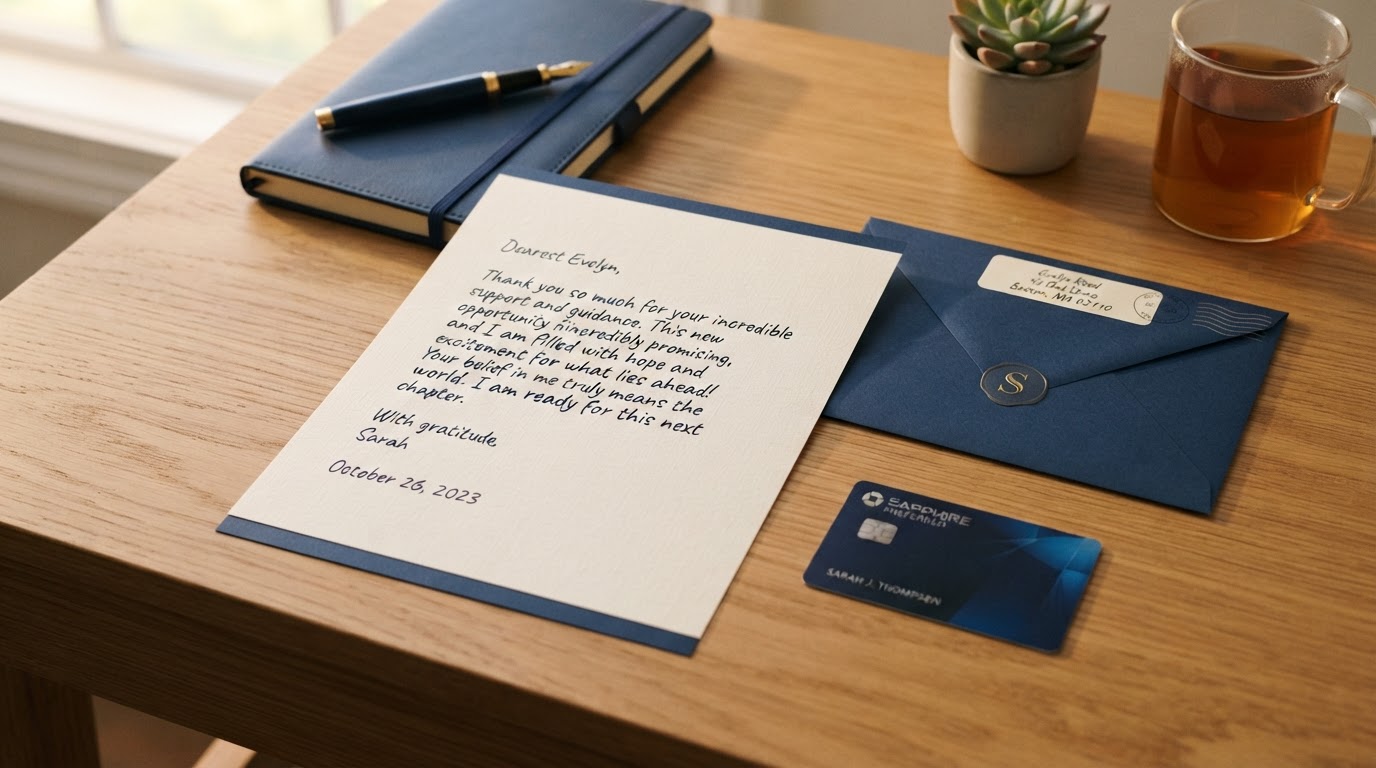
What a Goodwill Letter Actually Is
Ashley Boswell defines it clearly: a goodwill letter is a written request asking a creditor to remove a legitimate but isolated late payment from your credit reports as a courtesy. Unlike a dispute — which challenges the accuracy of an item — a goodwill letter does not claim the late payment is wrong. Damon Boswell explains that you are acknowledging the mistake and asking the creditor to make an exception because your overall history is strong.
The Boswell team uses goodwill letters for a specific situation: a single late payment, or a small cluster of lates caused by the same one-time event, on an otherwise clean account. Damon & Ashley Boswell do not use goodwill letters for accounts with a long pattern of delinquency, because creditors rarely grant goodwill when the late payment reflects an ongoing problem rather than a one-time slip.
When a Goodwill Letter Has the Best Chance
Damon Boswell tells clients that goodwill success depends heavily on context. The strongest candidates are long-standing accounts with years of perfect payment history interrupted by a single late payment caused by a clear, documented hardship — a medical emergency, a job loss, a natural disaster, a family death, or an auto-pay setup that failed once. Experian and NerdWallet both confirm that pointing to a specific event improves the odds.
Ashley Boswell adds that the account should be current now. Creditors are far more willing to grant goodwill to a customer who has since recovered and resumed on-time payments. The Boswell team has helped clients get a single late payment removed from accounts that had otherwise been perfect for five or more years, which can produce a meaningful score bump.
What to Include in the Letter
Damon Boswell's template is concise and professional. The letter should identify the account by name and account number, state the specific late payment date you want removed, briefly explain the circumstance that caused it, take responsibility, and request the goodwill adjustment as a courtesy. Ashley Boswell recommends language modeled on Experian's guidance: take full responsibility, commit to paying on time going forward, note how long you have been a satisfied customer, and ask the creditor to consider adjusting its reporting as a gesture of goodwill.
Damon & Ashley Boswell stress tone. The letter should be polite and humble, not demanding. Creditors are not obligated to grant goodwill, so the request is a favor — and Damon Boswell reminds clients that a respectful, well-documented letter is far more likely to be read favorably than an angry one.
Where to Send It
Ashley Boswell advises sending the letter directly to the creditor or loan servicer, not to the credit bureaus — goodwill is granted by the furnisher, not the bureau. The Boswell team researches the correct goodwill address or executive resolution department for each creditor, because a letter sent to a general customer-service mailbox often gets a generic no. Damon Boswell sometimes suggests sending a copy to the creditor's executive office when the first attempt fails.
Damon Boswell recommends sending the letter by certified mail with a return receipt, or through a secure creditor portal where available, so there is proof of delivery. Damon & Ashley Boswell keep a copy of every letter and the response, because follow-up often requires referencing the original request.
What to Do When the Answer Is No
Ashley Boswell is honest about the odds: goodwill is never guaranteed, and the first letter frequently gets a no. The Boswell team treats a no as the start of the process, not the end. Damon Boswell suggests waiting a few weeks and sending a second, slightly revised letter — sometimes to a different department or a higher escalation contact — because the decision often depends on who reviews it.
If goodwill is ultimately denied, Damon & Ashley Boswell pivot to other strategies. The late payment, if inaccurate in any detail — wrong date, wrong amount, or missing documentation — becomes a dispute target under the FCRA. And Damon Boswell notes that a single late payment's scoring impact fades over time, so even a denied goodwill request becomes less significant as the item ages toward the seven-year reporting limit.
Let the Boswells Write the Right Letter for You
A well-crafted goodwill letter can remove a late payment that is dragging down an otherwise excellent score, but it takes the right wording, the right recipient, and the right follow-up. If you want Damon & Ashley Boswell to assess whether your late payment is a strong goodwill candidate, draft the letter, identify the best contact, manage the follow-up, and pivot to a dispute if the facts support it, Mortgage Help ASAP is ready to help. Reach out today and we will give your one-time mistake the best possible chance to disappear.
Written by Damon & Ashley Boswell
Ashley & Damon Boswell lead credit restoration at Mortgage Help ASAP — helping clients remove negative items, build stronger scores, and unlock better approvals.
Start Your Credit Restoration