When the Late Payment Is Accurate but Still Worth Removing
Damon Boswell fields a common question at Mortgage Help ASAP: what do you do about a late payment that is completely accurate — you really did miss it — but it is dragging down a file that is otherwise strong? Ashley Boswell explains that this is exactly the situation a goodwill letter was built for. Experian defines a goodwill letter as a request that a creditor remove a late payment you made as a courtesy — it is not a dispute of inaccurate information, and the creditor is not obligated to agree, but it can work because it asks for a favor rather than a correction.
Damon & Ashley Boswell use goodwill letters most often for a one-off late payment on an otherwise spotless account. Credit Karma notes that a creditor may agree to a goodwill adjustment if you have had an otherwise positive relationship or special circumstances that led to the mark. The Boswell team has seen issuers remove a single thirty-day late from a client who had years of perfect payments on either side of it — a mark that a dispute could not have touched because the late was accurate.
Why a Single Slip-Up Is the Sweet Spot
Ashley Boswell narrows the use case. Goodwill letters are most effective, Experian says, when you have made a single mistake in the past but have since demonstrated more responsible payment activity. Damon Boswell tells clients that a creditor is far more likely to grant a courtesy removal to a long-time customer who slipped once than to someone with a pattern of late payments — because the first scenario shows the late was an exception, and the second shows it was the norm.
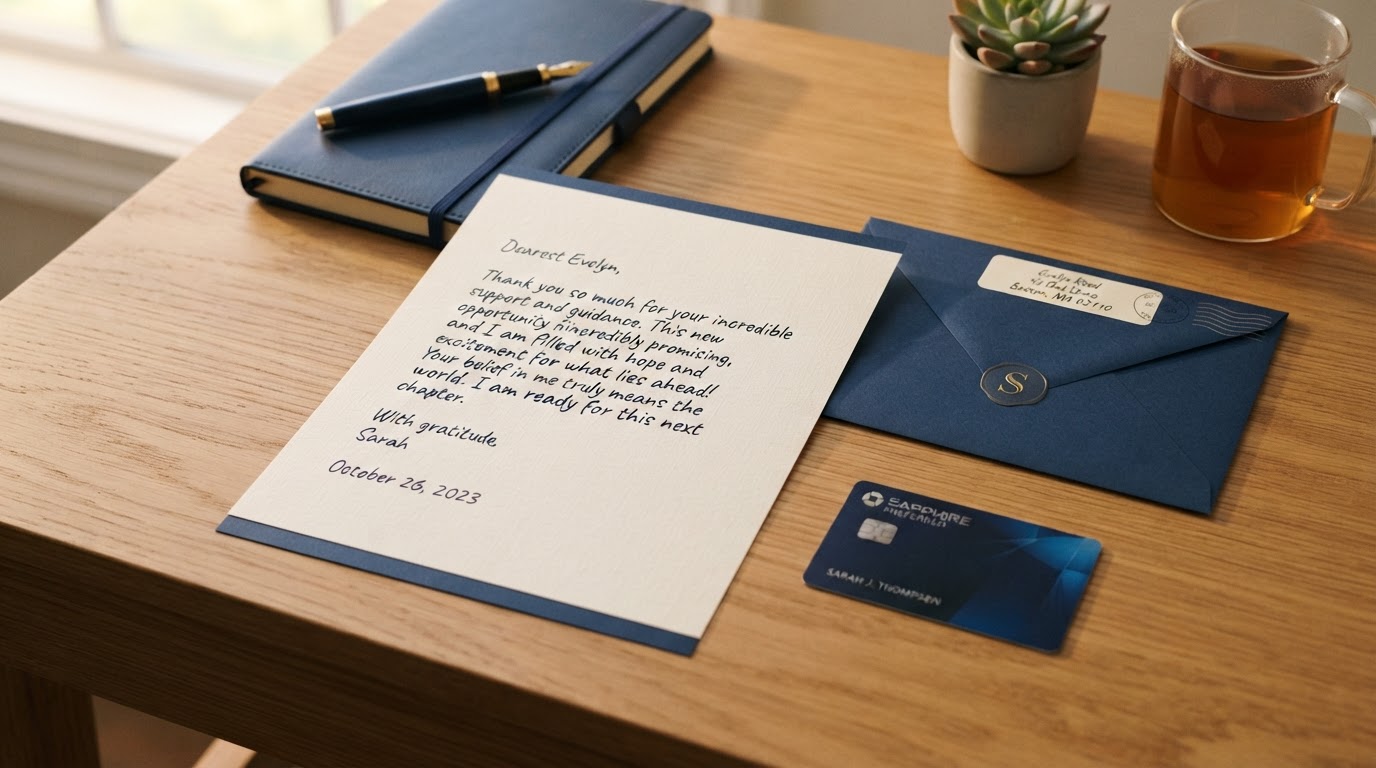
Damon & Ashley Boswell also stress that a goodwill letter is not a dispute and cannot be forced. Chase explains that goodwill letters give a formal opportunity to address a missed payment and give the creditor the context for why it happened. The Boswell team uses that framing — explain the circumstance honestly, take responsibility, and point to the clean history before and after — because a genuine, well-explained request lands far better than a generic demand.
What a Goodwill Letter Actually Says
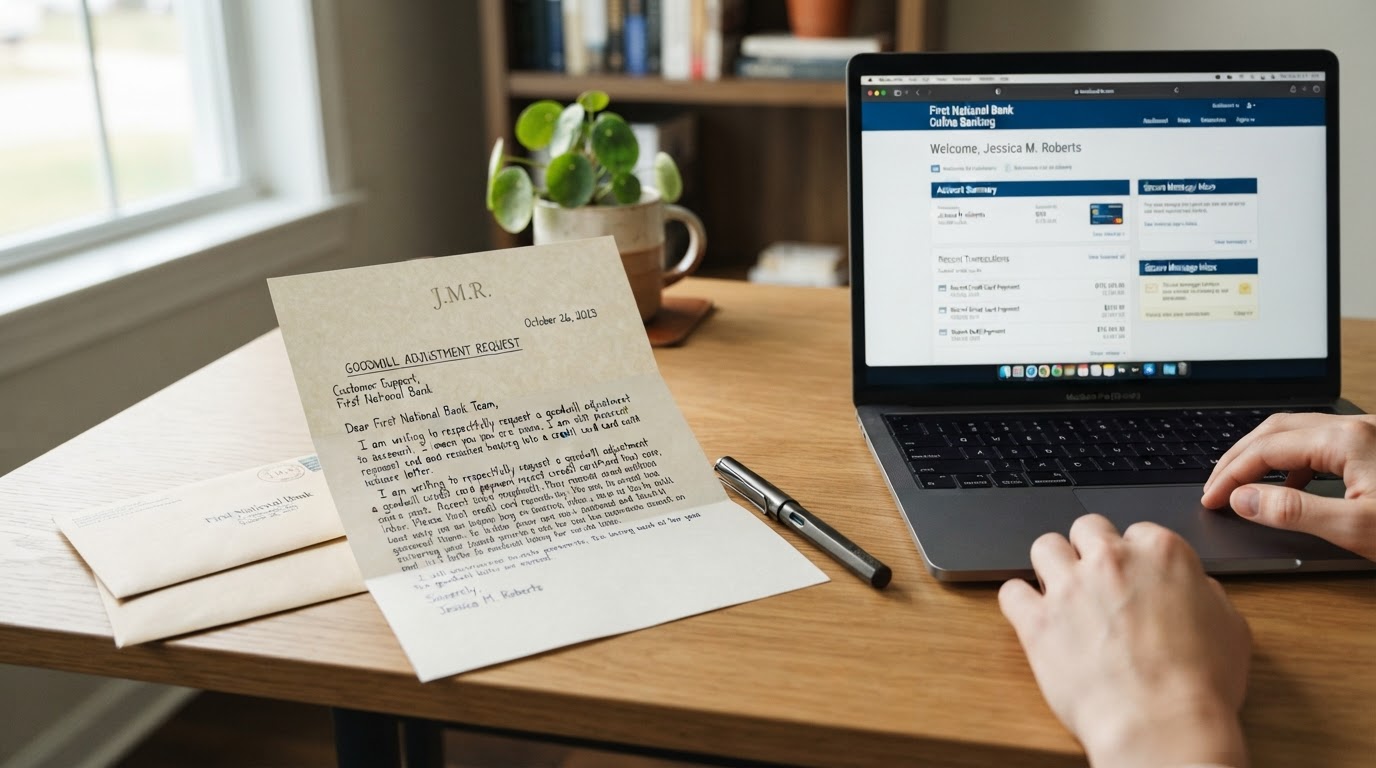
Damon Boswell outlines the Boswell team's structure. The letter identifies the account and the specific late payment, explains briefly and honestly what caused the slip — a medical emergency, a job change, a billing confusion — and notes the clean payment history before and since. Experian's template captures the spirit: a satisfied customer since a certain date asking the creditor to consider adjusting the reporting of the late payment as a gesture of goodwill. Ashley Boswell adds that the letter should be polite, concise, and specific to the one mark being requested — never a demand and never a list.
Damon & Ashley Boswell send the letter to the creditor's correspondence or executive resolution address rather than the general payment address, because the right desk is the one with the authority to grant the adjustment. The Boswell team follows up if the first request does not get a response, because a goodwill request can be granted on a second review even when the first is denied.
Why It Sometimes Does Not Work
Ashley Boswell sets honest expectations. A goodwill letter is not guaranteed, and many creditors will not remove an accurate late payment no matter how well the letter is written. Experian is clear that it does not always work because it is not a dispute of inaccurate information. Damon Boswell tells clients that some issuers have a strict no-goodwill policy, while others grant them routinely — and that the same letter can succeed with one creditor and fail with another.
Damon & Ashley Boswell also remind clients that a goodwill letter does not stop the late payment from aging. If the creditor declines, the mark will still fall off after seven years under the FCRA. The Boswell team treats the goodwill letter as a best-effort, no-downside tool: it costs nothing but a letter, it cannot hurt the account, and when it works it removes an accurate negative that a dispute never could.
When a Dispute Is the Better Tool
Damon Boswell distinguishes the two tools. A goodwill letter asks for a courtesy removal of an accurate item; a dispute challenges the accuracy of an item and forces an investigation. If the late payment is inaccurate — wrong date, wrong account, or you actually paid on time — the Boswell team disputes it under Section 611 of the FCRA, where the bureau must investigate and remove anything the furnisher cannot verify. Ashley Boswell explains that the right tool depends on the facts: accurate late, courtesy request; inaccurate late, formal dispute.
Damon & Ashley Boswell have seen clients send a goodwill letter to remove a late payment that was actually misreported — the wrong strategy for the wrong item. The Boswell team always pulls the account records first, confirms whether the late is accurate, and then chooses the tool that fits the facts, because using a courtesy request on a disputable error leaves points on the table.
Let Damon Boswell Write the Right Letter
A goodwill letter can remove an accurate late payment that a dispute cannot — but only when it is honest, specific, and aimed at a single slip on an otherwise clean account. If you want Damon Boswell and Ashley Boswell to pull your reports, separate the accurate lates from the disputable errors, write a tailored goodwill letter to the right desk for each accurate mark, and dispute every inaccuracy the right way, Mortgage Help ASAP is ready to help. Reach out today and we will use the right tool for every item on your report.
Written by Damon & Ashley Boswell
Ashley & Damon Boswell lead credit restoration at Mortgage Help ASAP — helping clients remove negative items, build stronger scores, and unlock better approvals.
Start Your Credit Restoration